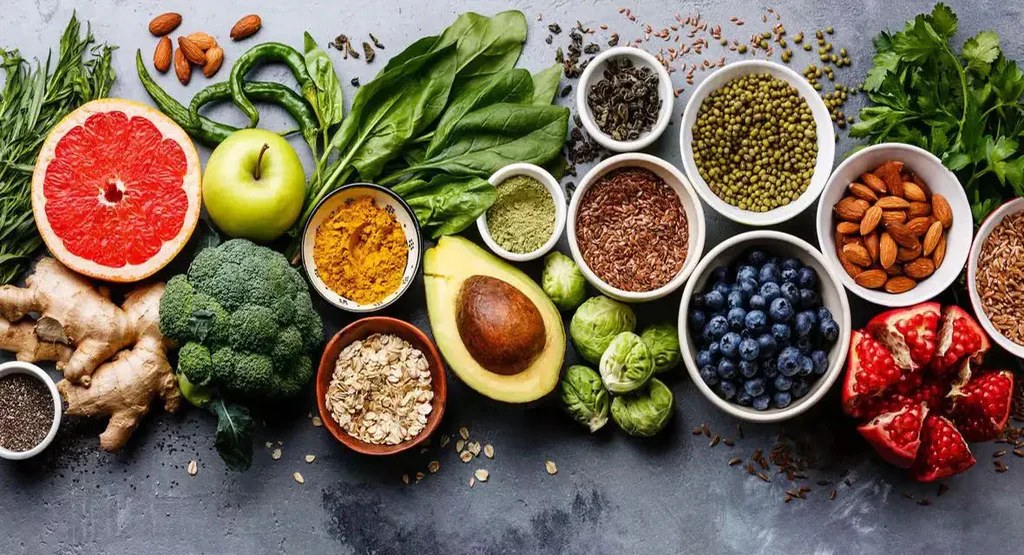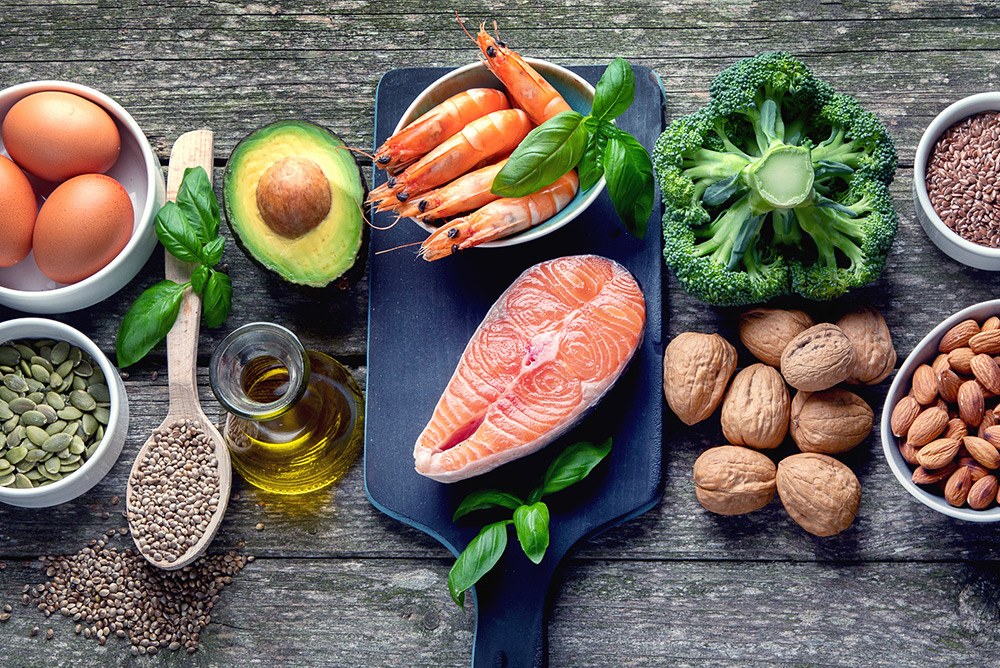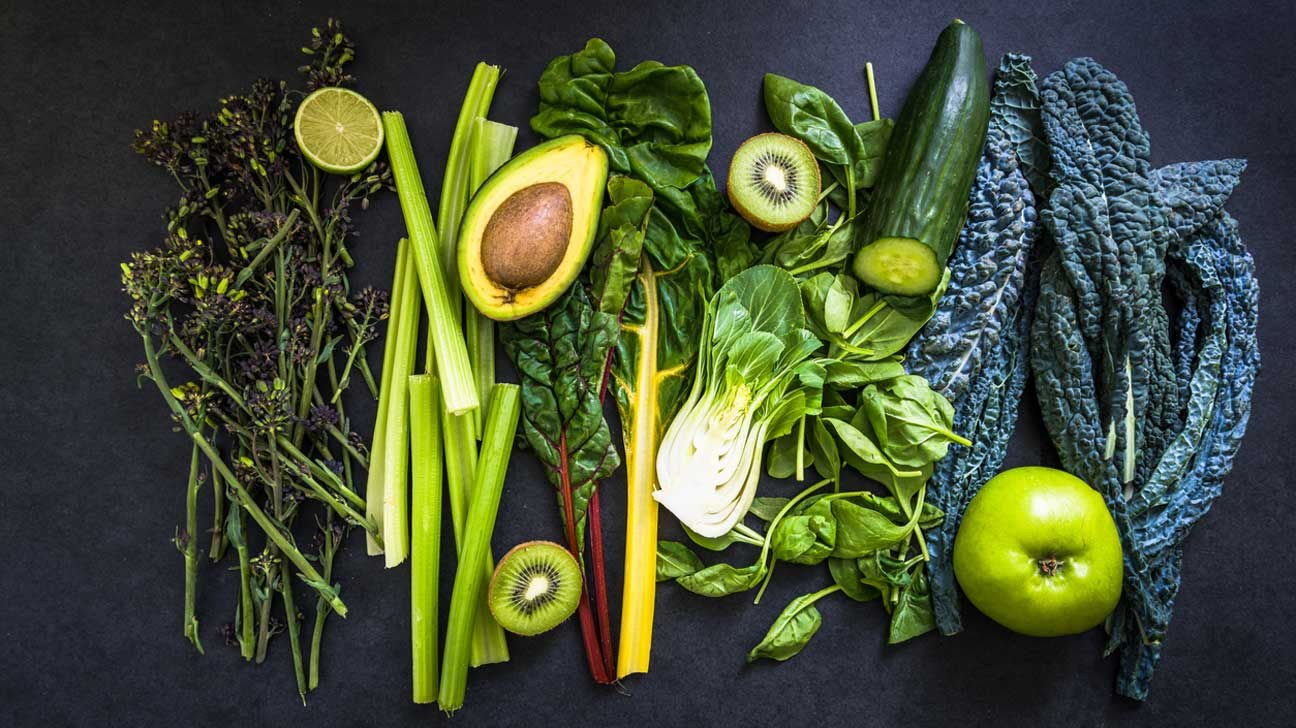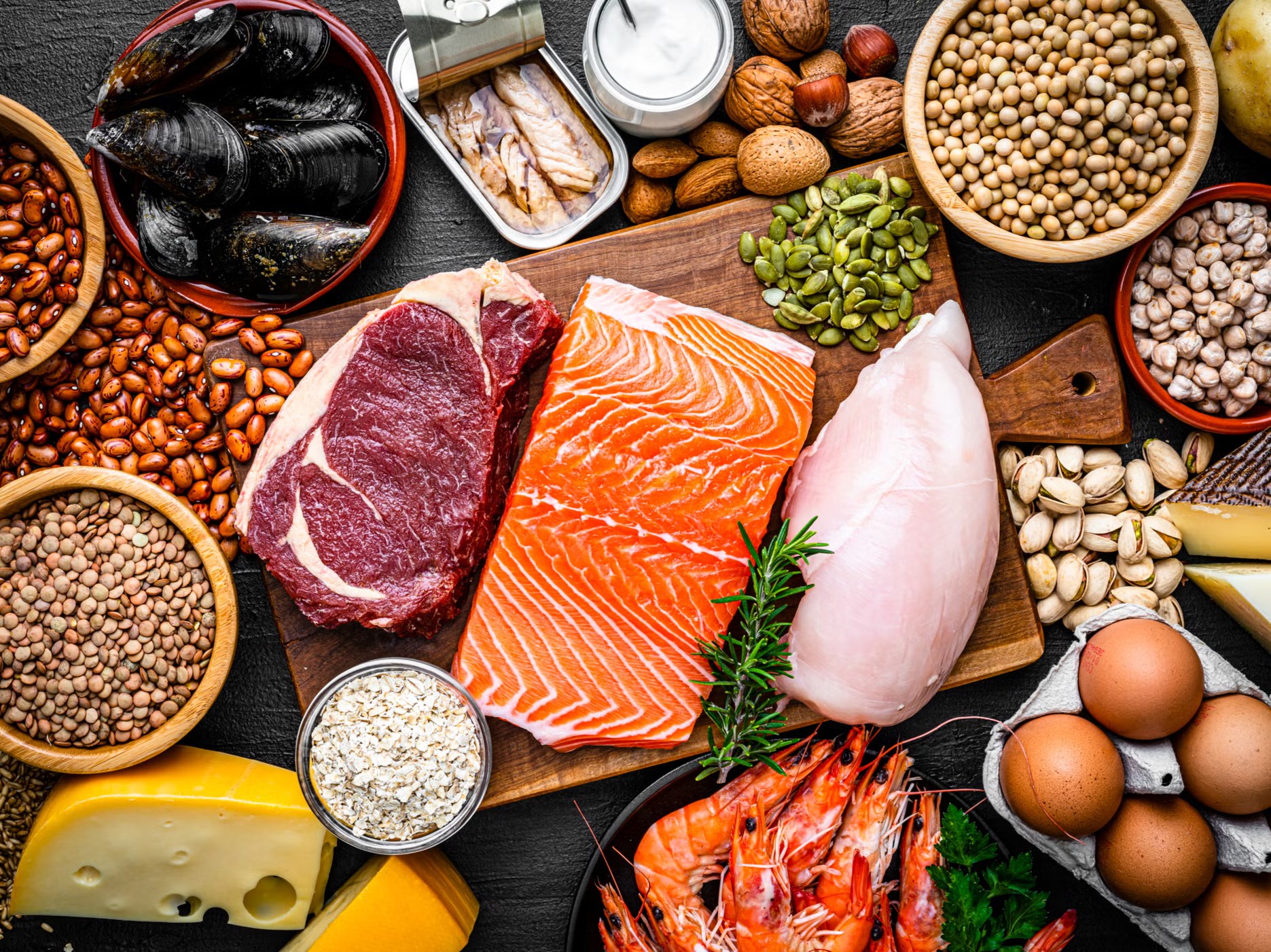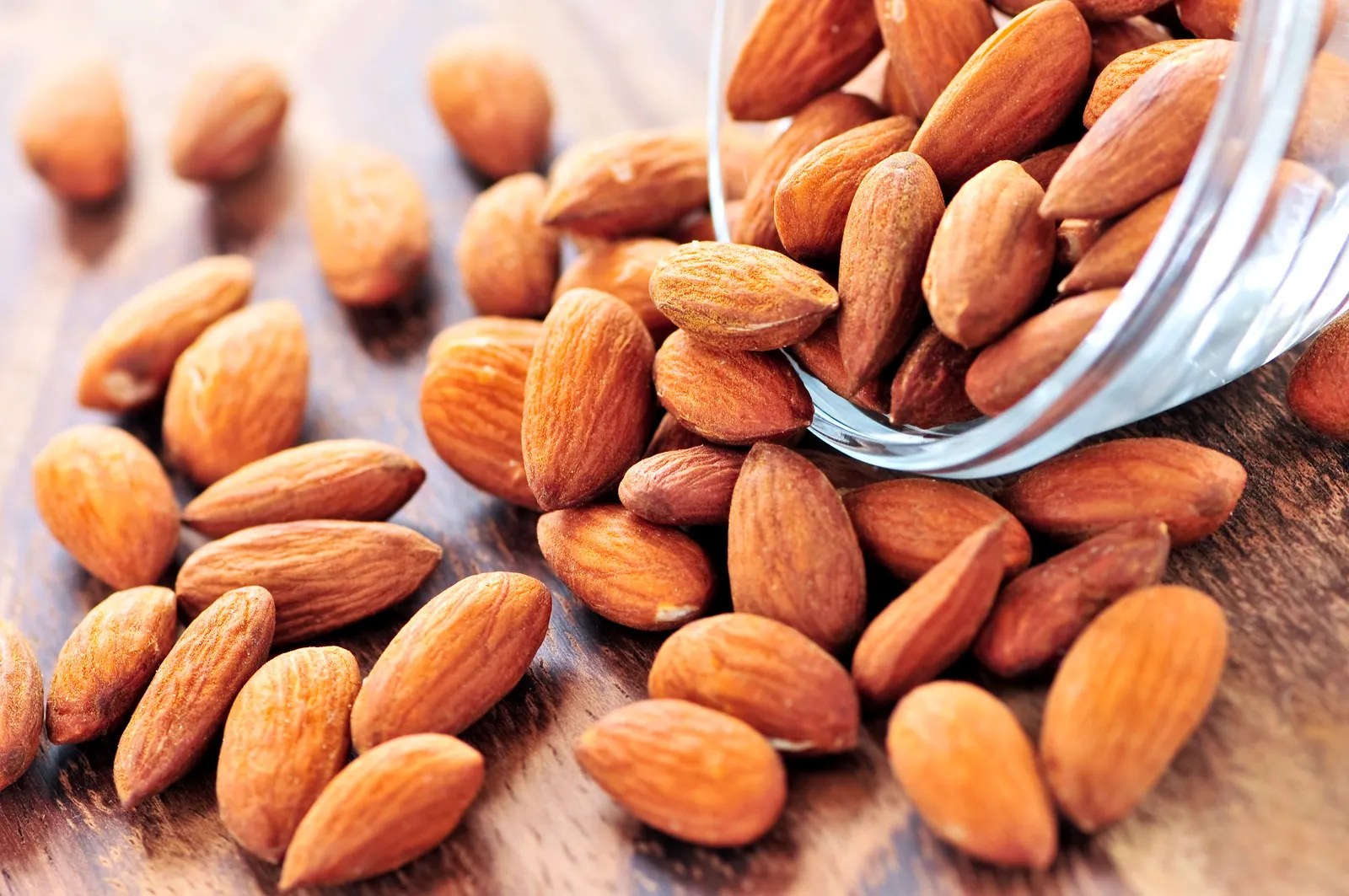
Almonds
Nut
Key nutrients: Vitamin E, magnesium, fiber, healthy fats
Health Benefits
- Supports healthy cholesterol balance and heart health.
- Can support blood sugar steadiness when paired with carbs.
- Provides antioxidant support for skin and cells.
Best Preparation
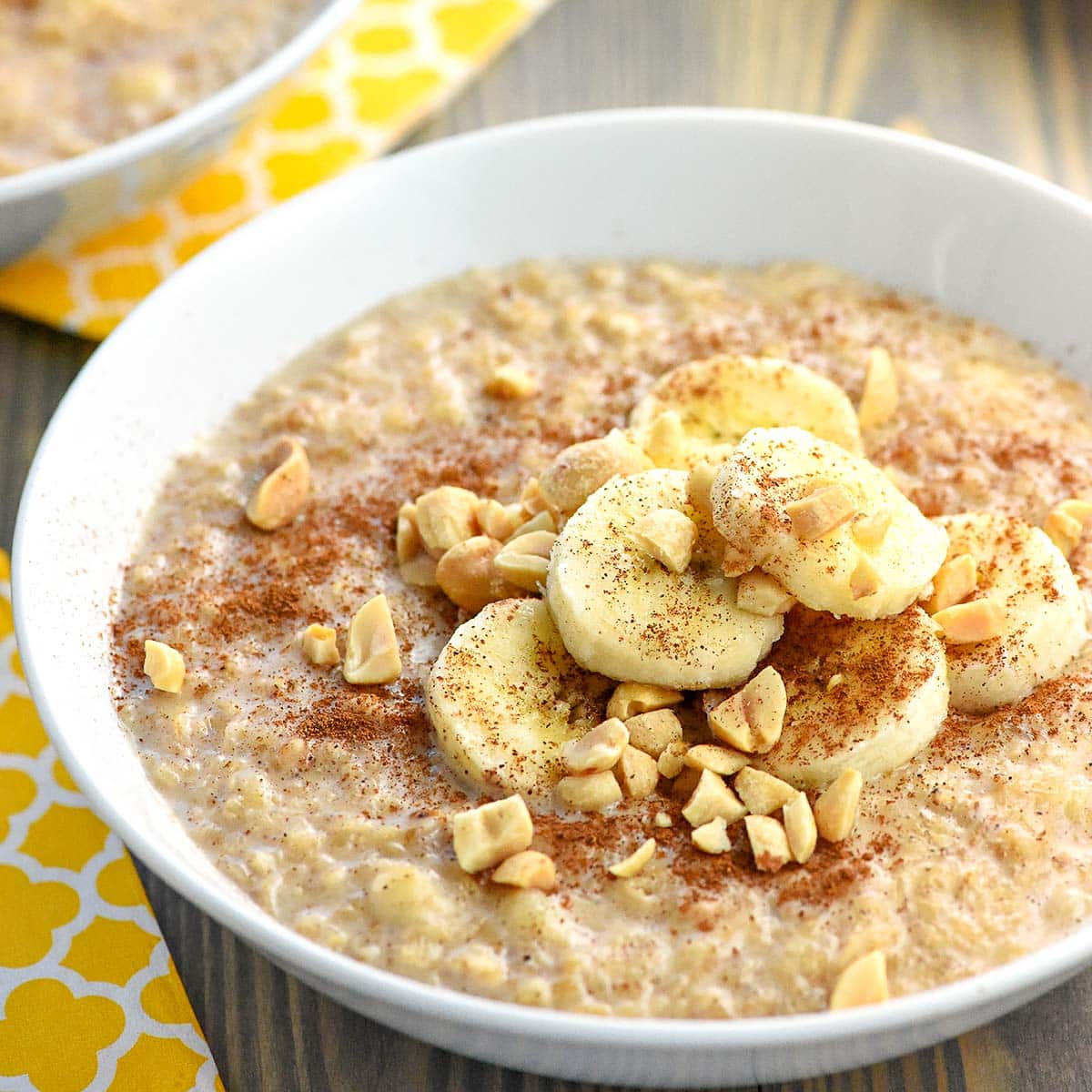
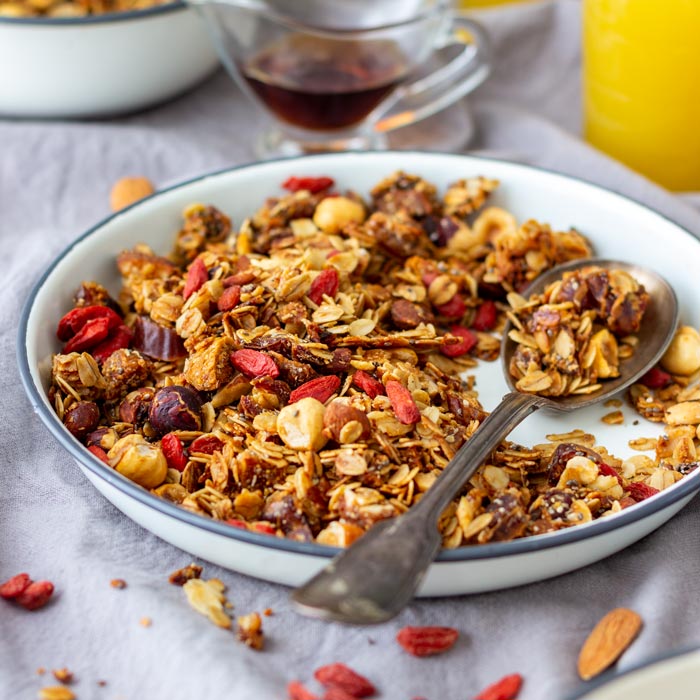
Use raw or dry-roasted. Keep portions moderate and pair with fruit or oats for balanced snacks.
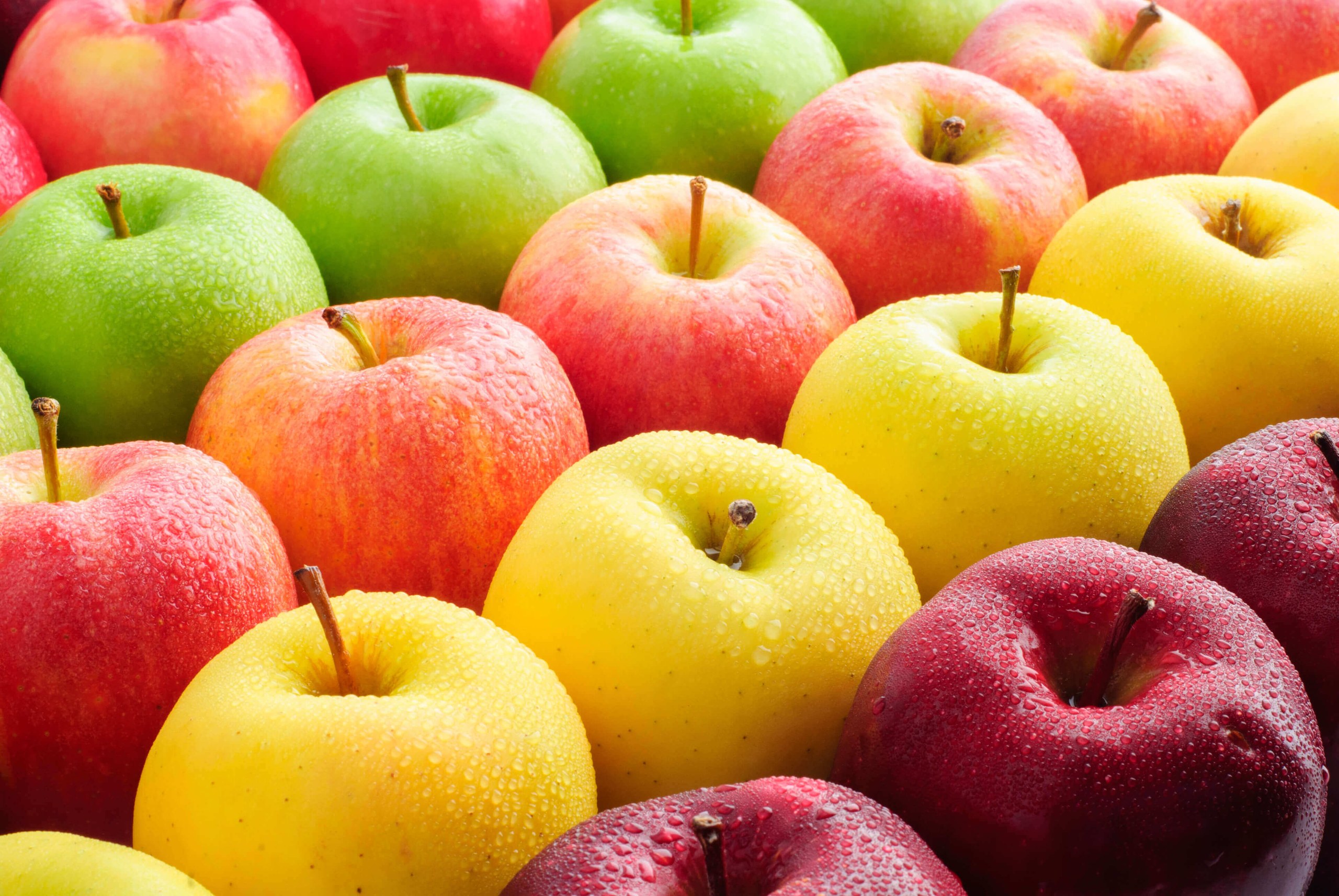
Apple
Fruit
Key compounds: Pectin and quercetin
Health Benefits
- Supports digestive health via soluble fiber.
- May support healthy cholesterol patterns.
- Helps with fullness and balanced snacking.
Best Preparation
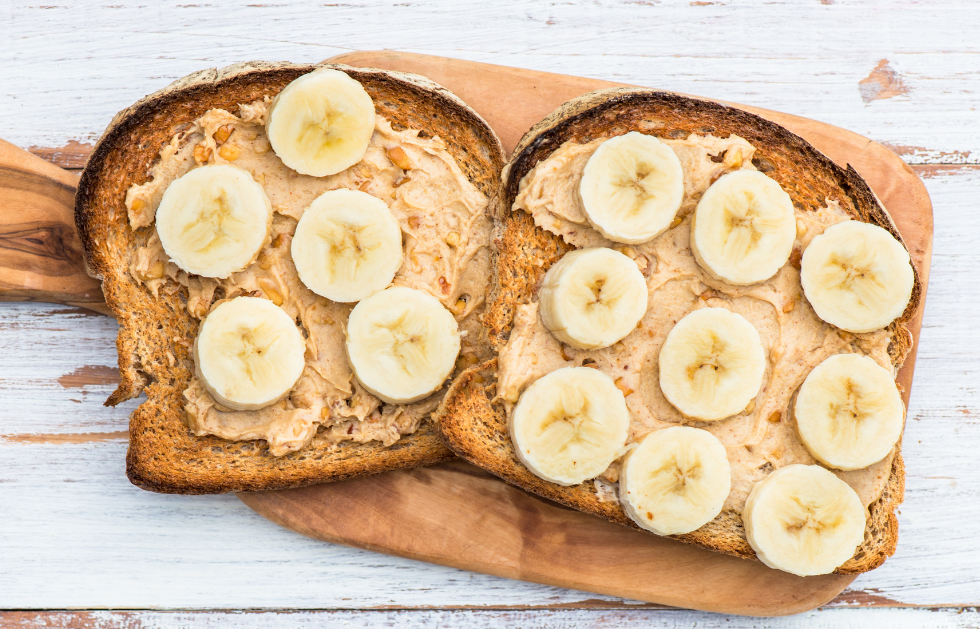
Eat with skin after washing. Slice into salads or combine with nut butter for a balanced fiber-fat snack.
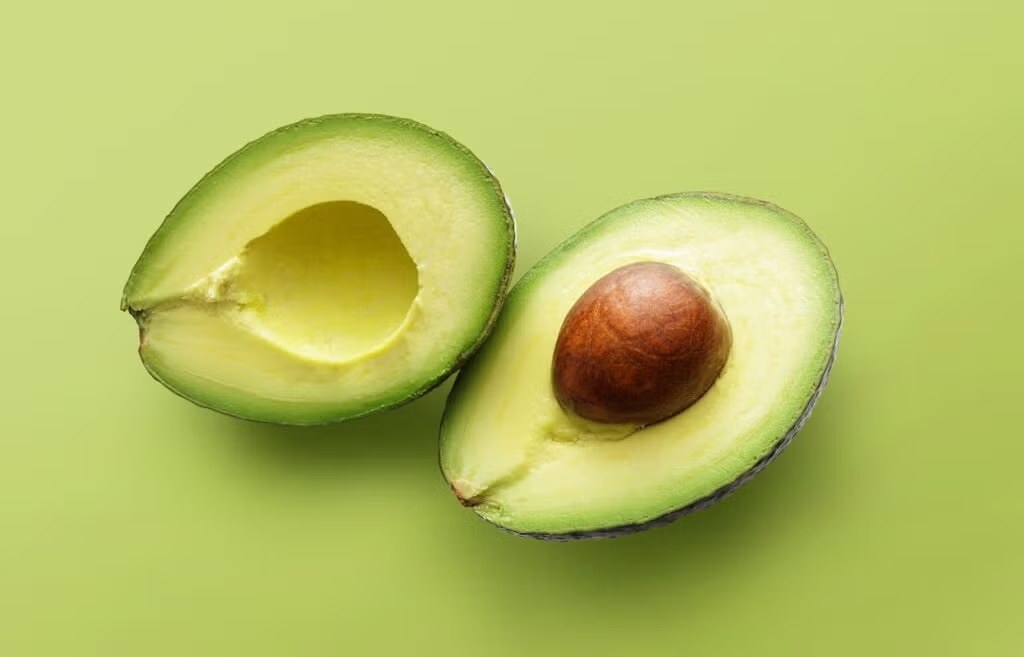
Avocado
Fruit
Key nutrients: Monounsaturated fats, potassium, fiber
Health Benefits
- Supports heart health and lipid balance.
- Helps absorb fat-soluble vitamins from meals.
- Promotes satiety and blood sugar steadiness.
Best Preparation
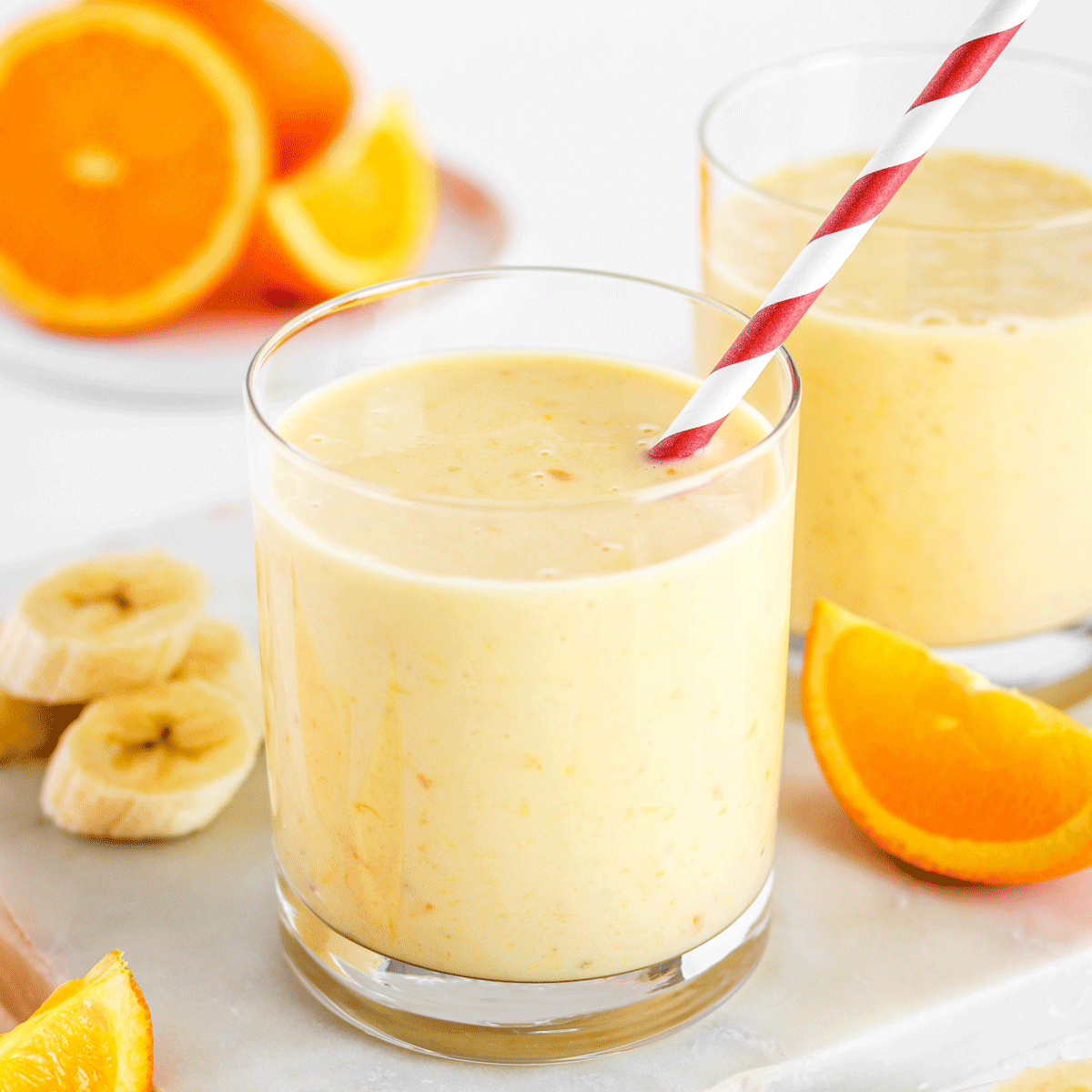
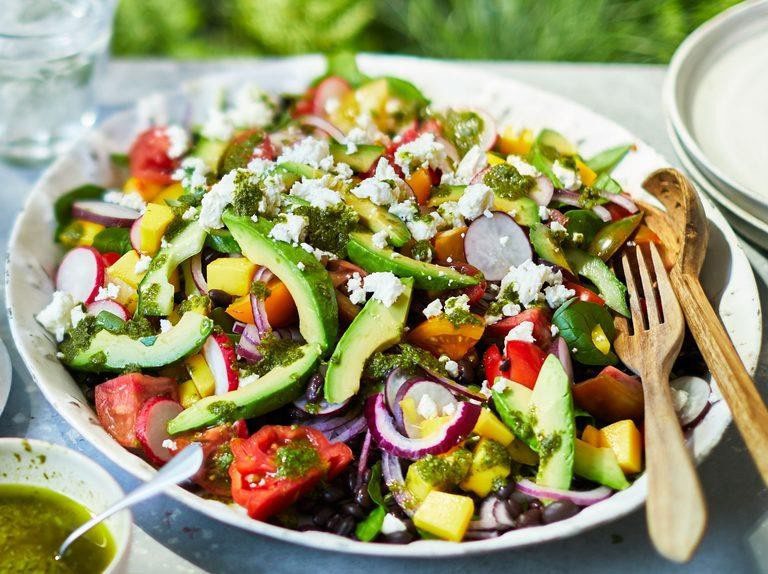
Use fresh in salads, spreads, and smoothies. Add lemon or lime to reduce browning and improve flavor.

Banana
Fruit
Key nutrients: Potassium, vitamin B6, prebiotic fibers
Health Benefits
- Supports electrolyte balance and muscle function.
- Provides quick and gentle energy for activity.
- Can support digestive comfort.
Best Preparation
Use ripe bananas in smoothies and breakfast bowls; use slightly green bananas for more resistant starch.
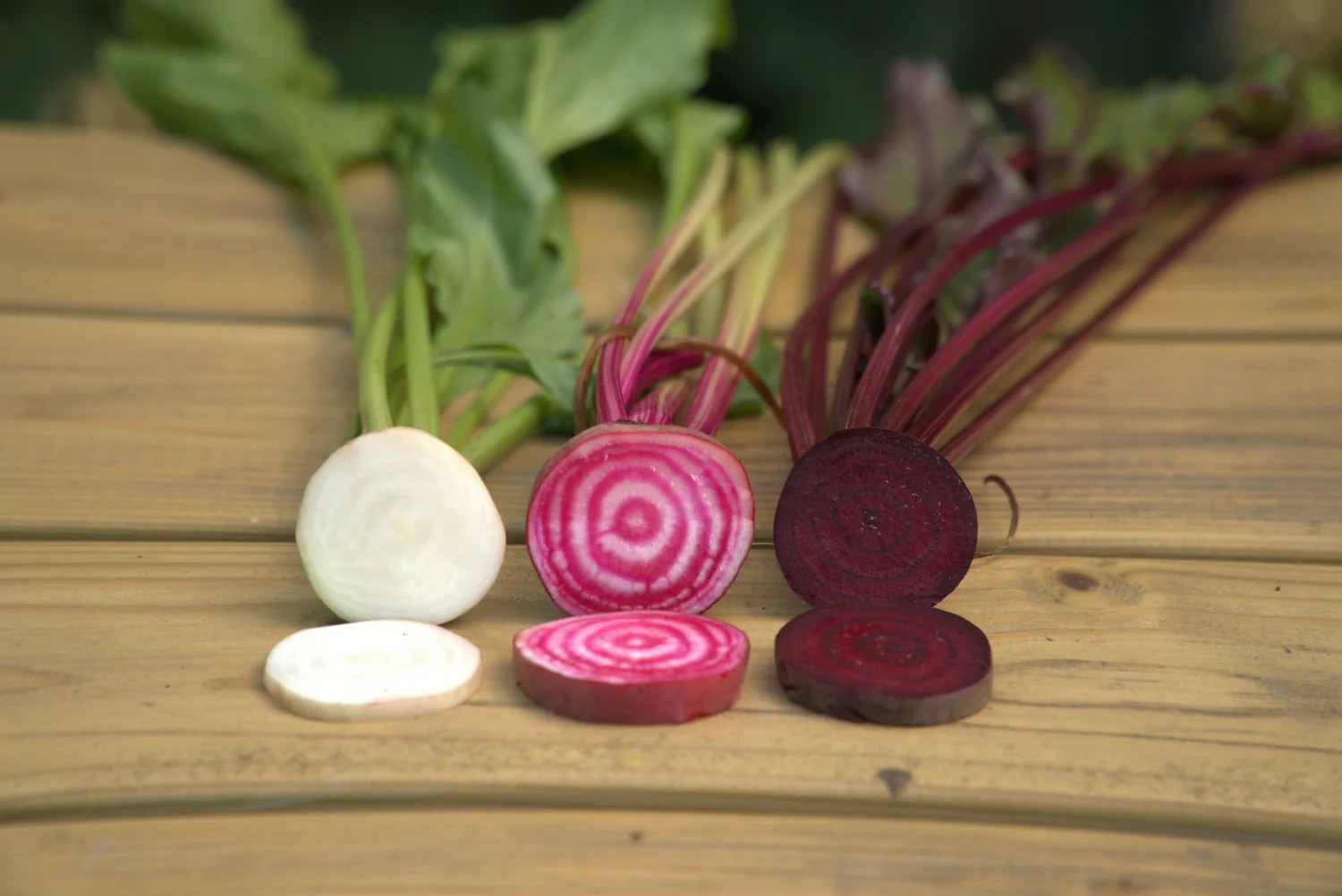
Beetroot
Vegetable
Key compounds: Dietary nitrates and betalains
Health Benefits
- May support blood flow and exercise performance.
- Provides antioxidants that support vascular health.
- Supplies fiber for digestive support.
Best Preparation
Roast, steam, or grate raw into salads. Pair with citrus and olive oil for flavor balance.
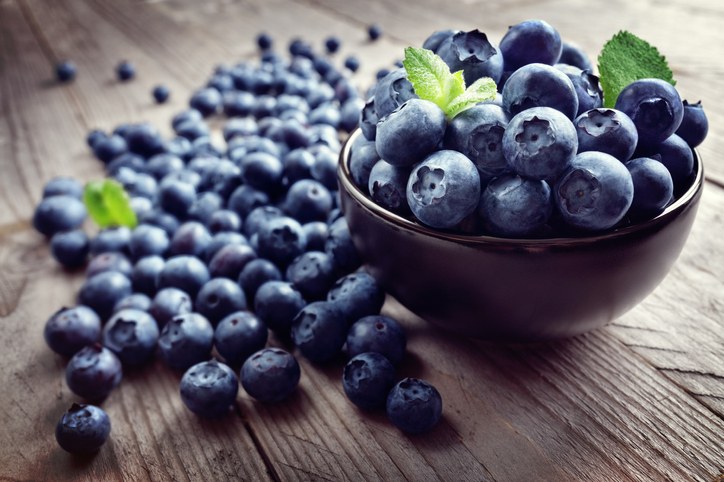
Blueberry
Fruit
Key compounds: Anthocyanins
Health Benefits
- High antioxidant capacity for cellular protection.
- Supports brain and memory health.
- May support vascular function.
Best Preparation
Eat fresh or frozen with minimal heating. Pair with yogurt, oats, or nuts for improved satiety and glycemic balance.
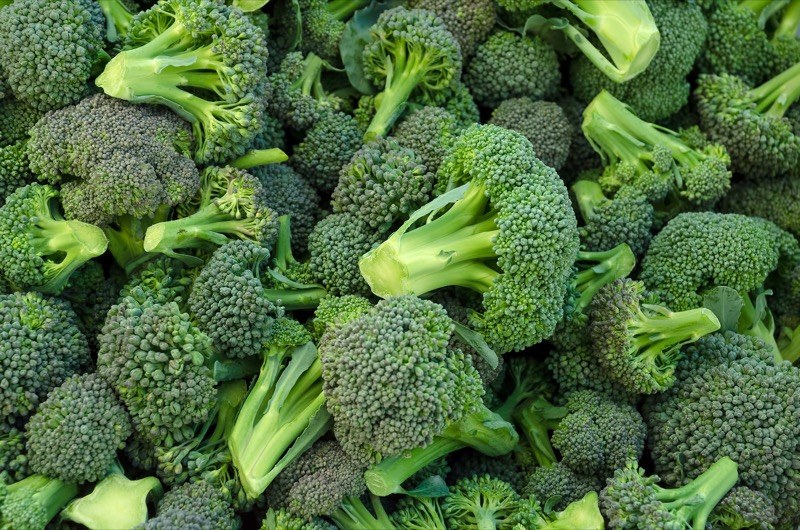
Broccoli
Vegetable
Key compound: Sulforaphane precursor glucoraphanin
Health Benefits
- Supports natural detoxification pathways.
- Provides fiber for gut and metabolic health.
- Delivers vitamin C and plant protective compounds.
Best Preparation
Steam lightly for 3-5 minutes or roast briefly. Chop and let rest before cooking to support sulforaphane formation.
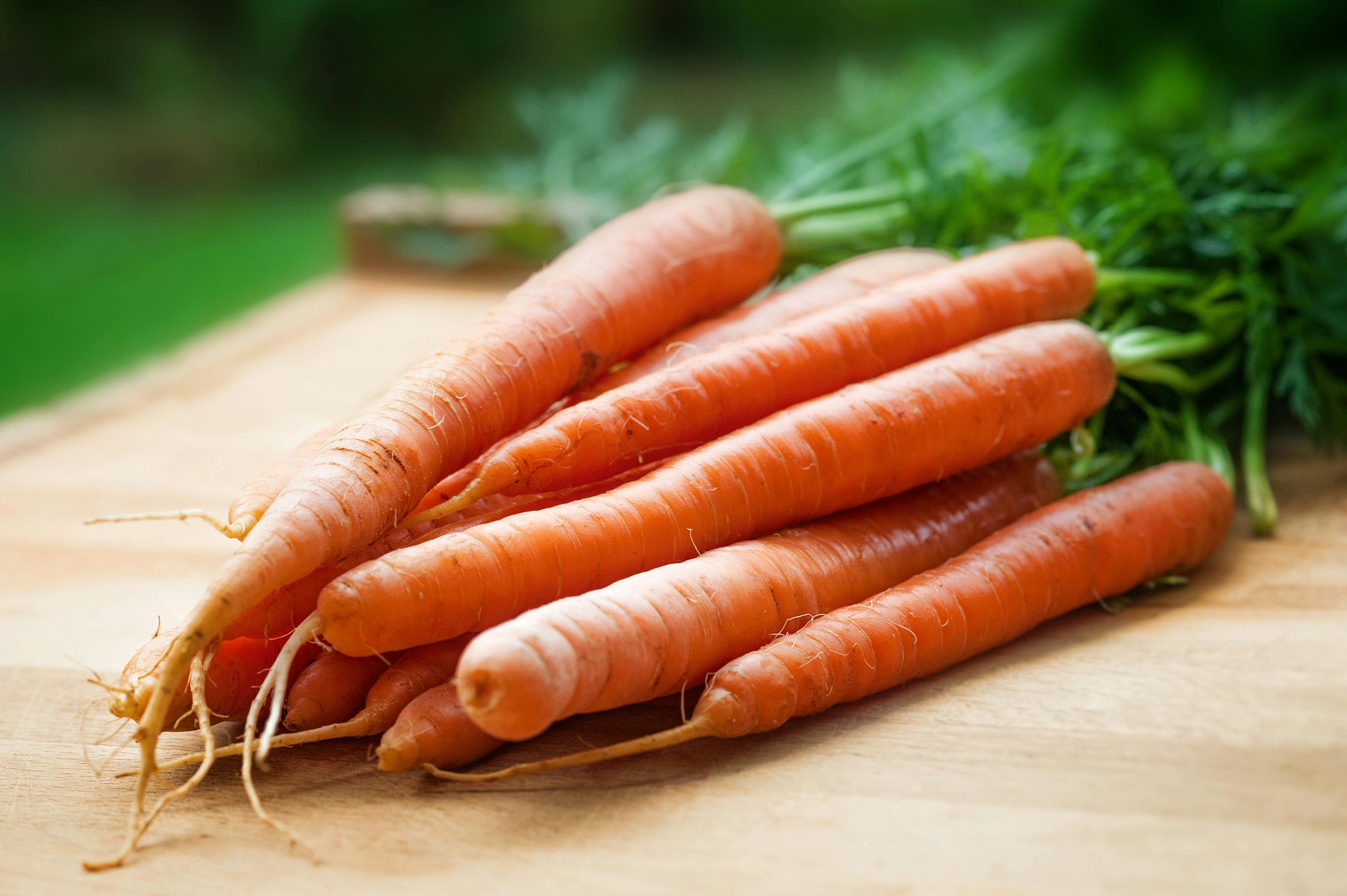
Carrot
Vegetable
Key compounds: Beta-carotene and carotenoids
Health Benefits
- Supports eye and skin health.
- Provides antioxidant carotenoids.
- Contributes fiber for digestive wellness.
Best Preparation
Eat raw or lightly cooked. Pair with healthy fats like olive oil or avocado to improve carotenoid absorption.
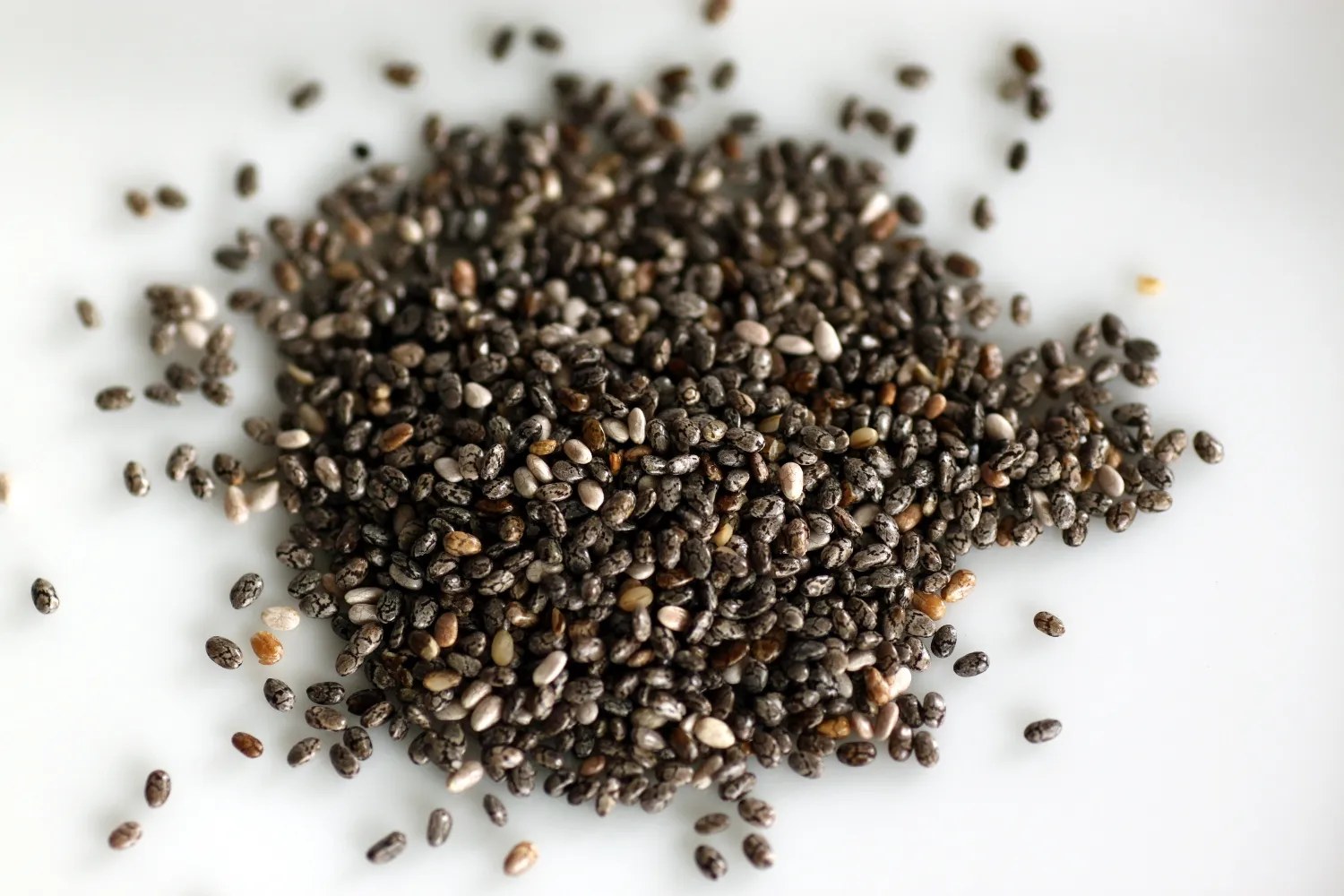
Chia Seeds
Seed
Key nutrients: ALA omega-3, fiber, calcium
Health Benefits
- Supports heart health and digestive regularity.
- Helps with satiety and steady energy release.
- Adds mineral density to meals.
Best Preparation
Soak in water or oat milk for 15-30 minutes before use in puddings, oats, and smoothies.
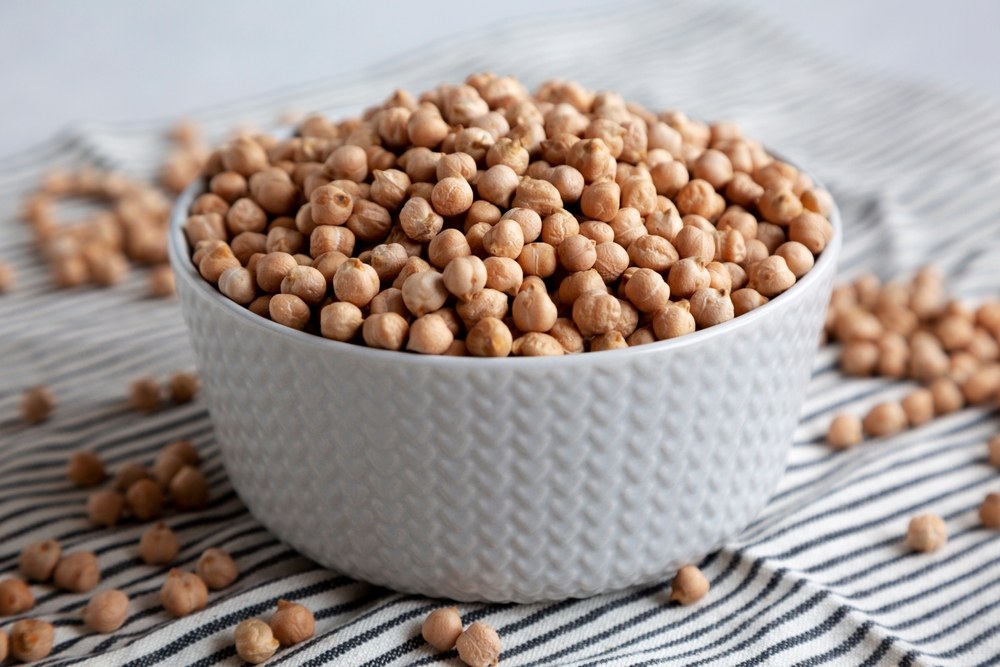
Chickpeas
Legume
Key nutrients: Fiber, protein, manganese, folate
Health Benefits
- Supports fullness and metabolic health.
- Supports digestive regularity and microbiome diversity.
- Provides steady carbohydrate and protein balance.
Best Preparation
Roast for crunchy snacks, blend into hummus, or add to curries and salads. Rinse canned chickpeas before use.
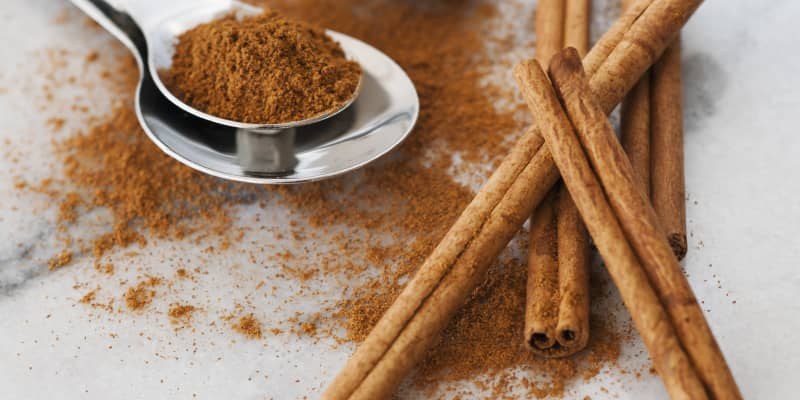
Cinnamon
Spice
Key compounds: Cinnamaldehyde and polyphenols
Health Benefits
- Can support blood sugar management as part of a balanced diet.
- Rich in antioxidant compounds.
- May support cardiovascular wellness.
Best Preparation
Sprinkle into oats, yogurt, and smoothies; for frequent use, choose Ceylon cinnamon where available.
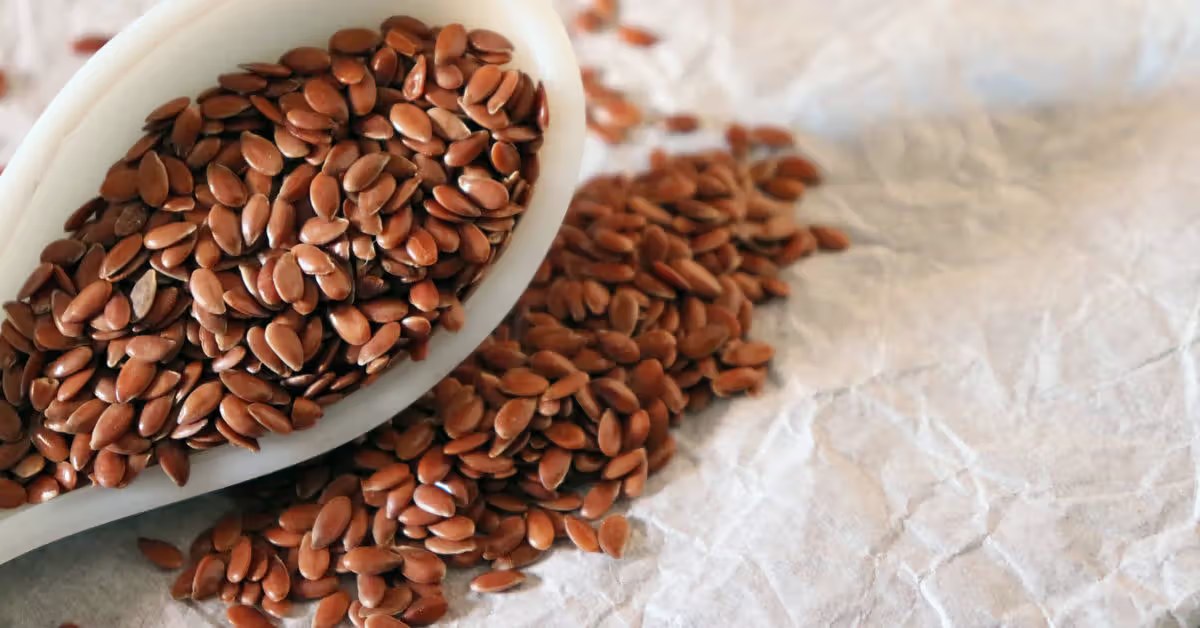
Flaxseed
Seed
Key nutrients: ALA omega-3, lignans, fiber
Health Benefits
- Supports heart and hormone-related health patterns.
- Promotes digestive regularity and gut support.
- Provides anti-inflammatory fats.
Best Preparation
Use freshly ground flaxseed in oats, smoothies, or yogurt; whole seeds are less bioavailable.
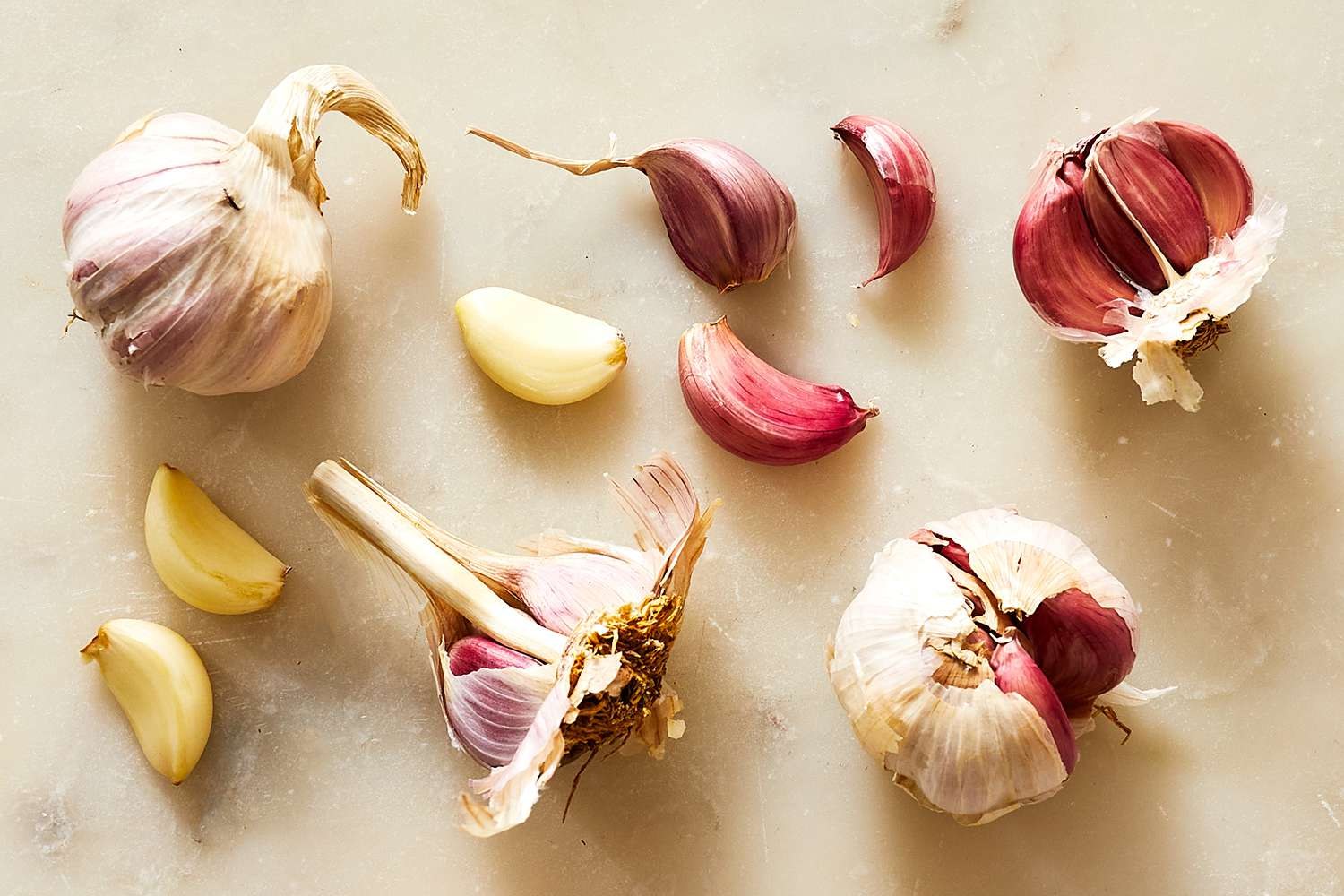
Garlic
Herb
Active compound: Allicin (formed after crushing)
Health Benefits
- Supports heart and vascular health.
- Contributes natural antimicrobial activity.
- May support healthy blood pressure over time.
Best Preparation
Crush or chop and let rest for about 10 minutes before cooking to help allicin formation; avoid prolonged high heat.
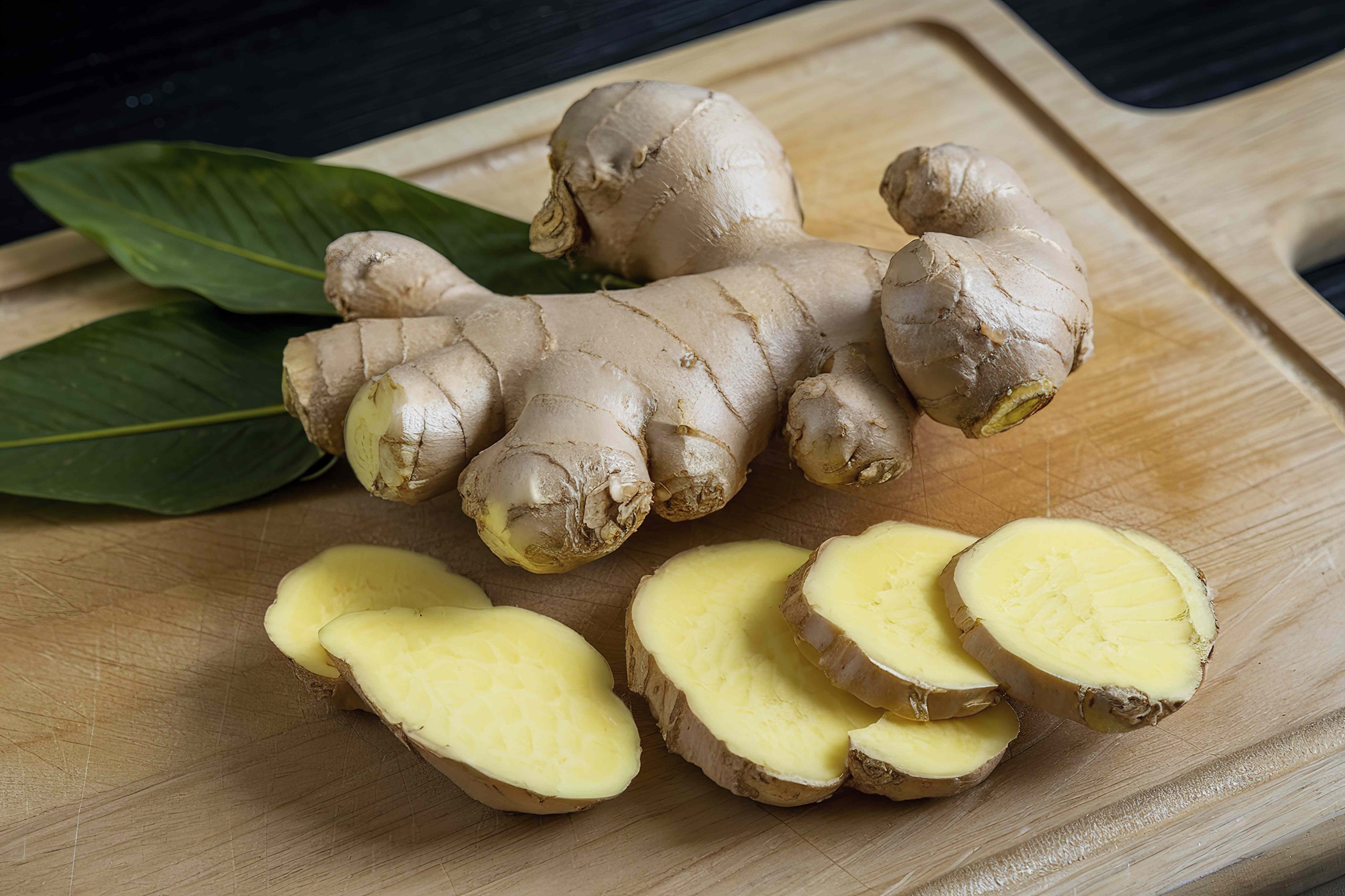
Ginger
Spice
Active compounds: Gingerols and shogaols
Health Benefits
- Supports digestion and can ease occasional nausea.
- May help with post-exercise muscle soreness.
- Offers antioxidant and immune-supportive compounds.
Best Preparation
Use freshly grated root in teas, soups, and stir-fries. Add near the end of cooking to preserve aroma and bioactive compounds.
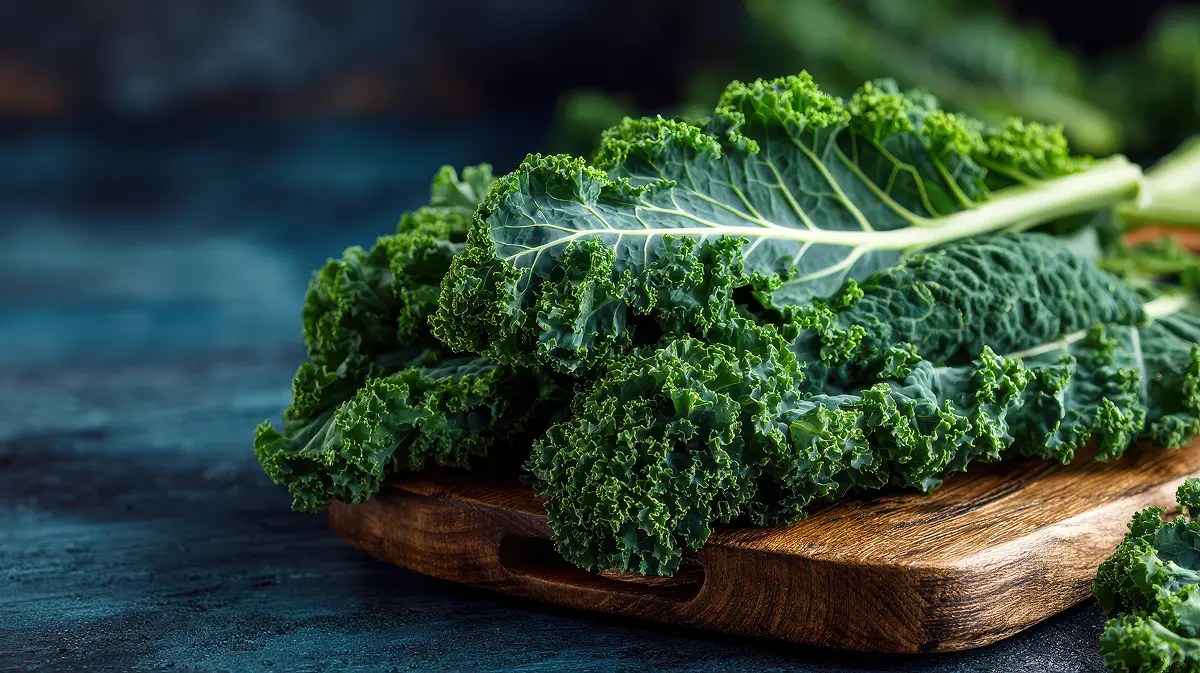
Kale
Vegetable
Key nutrients: Vitamins K, C, A and glucosinolates
Health Benefits
- Supports detoxification and cellular protection.
- High in vitamins for bone and immune health.
- Offers fiber for digestive and metabolic support.
Best Preparation
Massage raw kale with a little olive oil and lemon to soften texture, or steam briefly to retain nutrients.
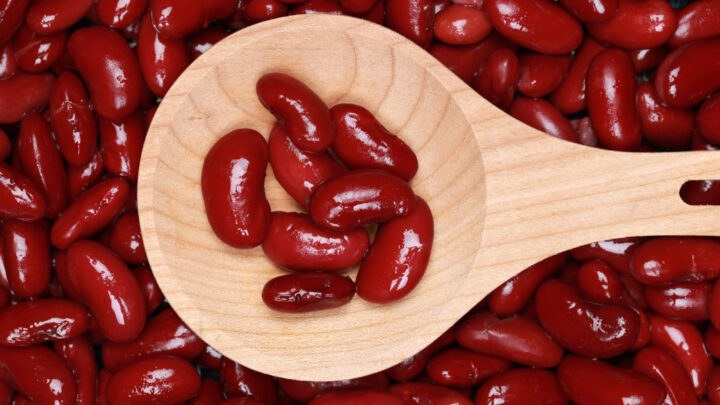
Kidney Beans
Legume
Key nutrients: Fiber, plant protein, folate, iron
Health Benefits
- Supports blood sugar balance and fullness.
- Supports digestive health with prebiotic fibers.
- Provides plant-based protein for meal quality.
Best Preparation
If dry, soak and boil thoroughly before use; if canned, rinse well to reduce sodium and improve flavor.
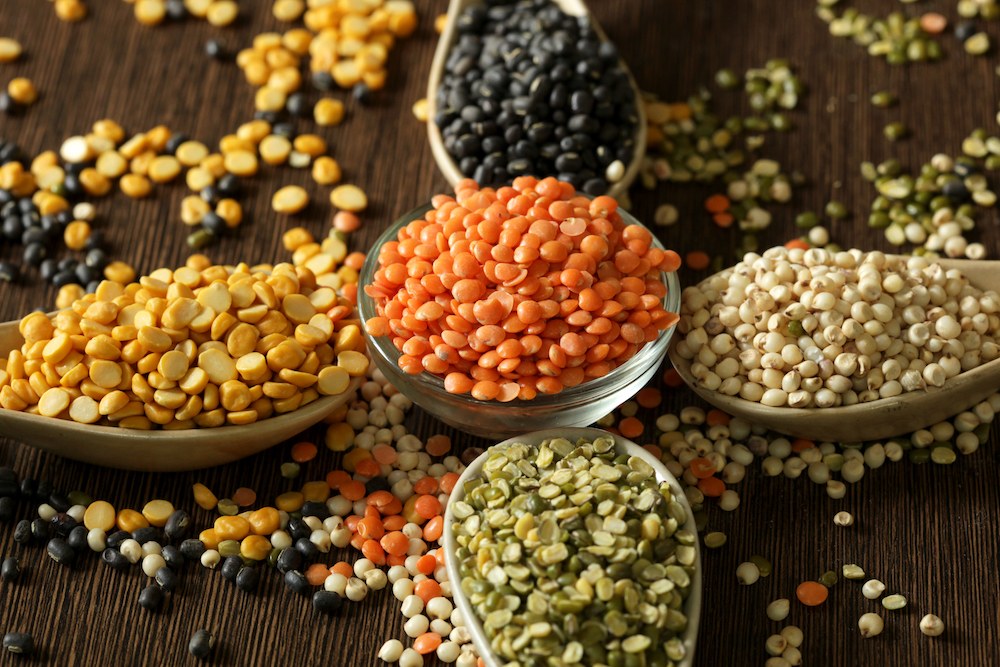
Lentils
Legume
Key nutrients: Plant protein, folate, iron, fiber
Health Benefits
- Supports sustained energy and satiety.
- Supports heart and gut health.
- Useful for balanced low-cost high-nutrient meals.
Best Preparation
Rinse, then simmer until tender with garlic, onion, and herbs. Add acidic ingredients near the end to prevent tough skins.
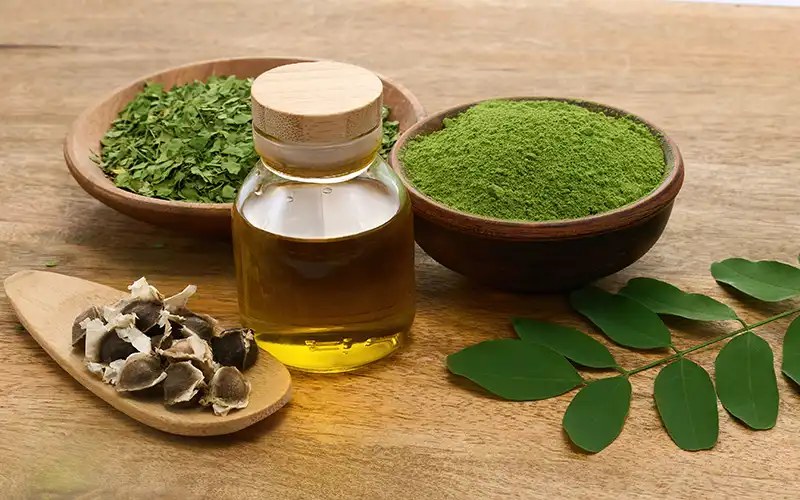
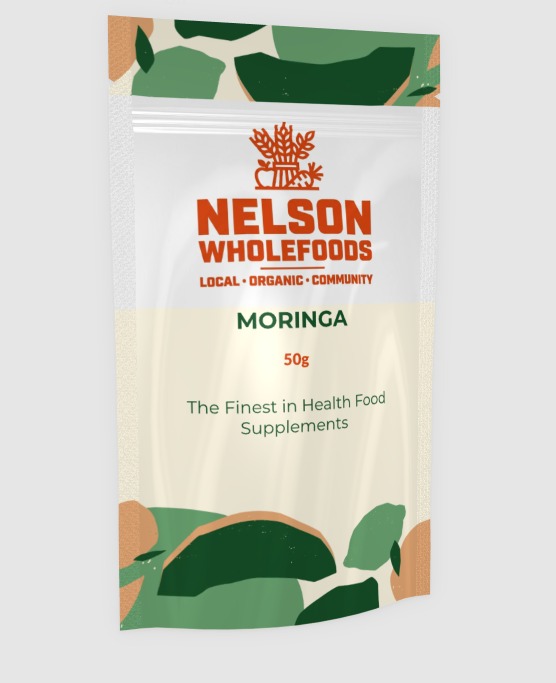
Moringa (Leaves)
Herb
Key nutrients: Vitamins A, C, calcium, polyphenols
Health Benefits
- Very nutrient-dense and rich in antioxidants.
- Supports immune and metabolic health.
- Can support overall micronutrient intake in plant-forward diets.
Best Preparation
Use fresh leaves like spinach or add moringa powder in small amounts to soups, smoothies, or teas.
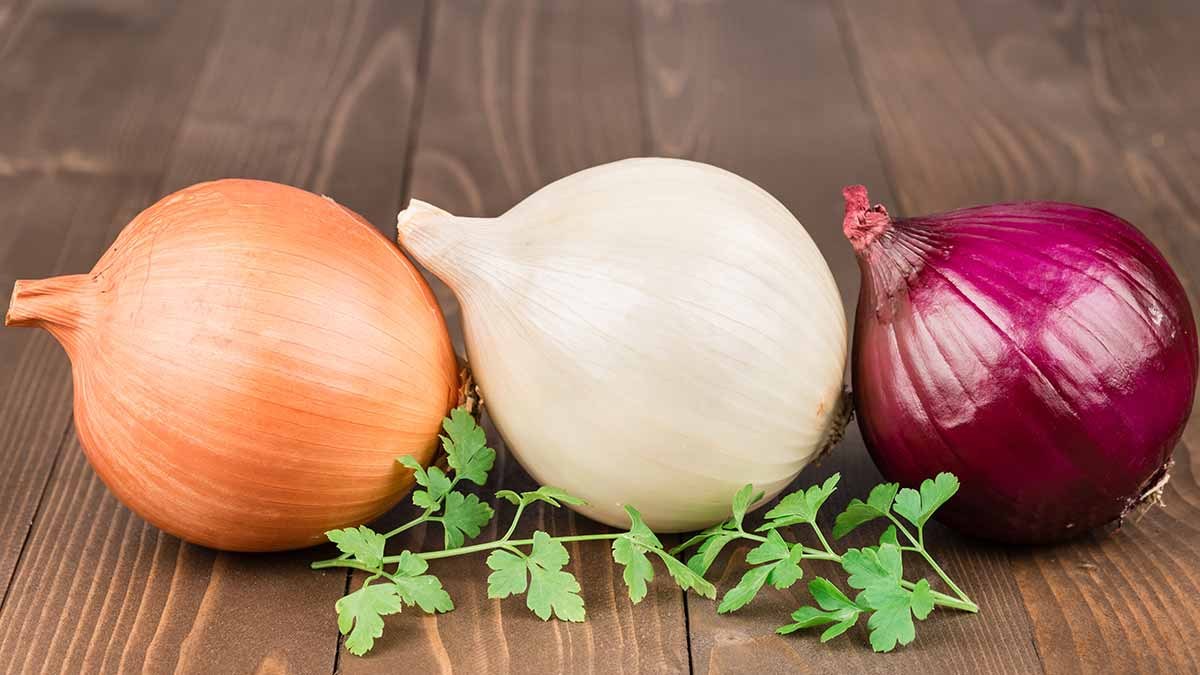
Onion
Vegetable
Key compounds: Quercetin and sulfur compounds
Health Benefits
- Offers antioxidant and anti-inflammatory support.
- Contains prebiotic fibers that feed beneficial gut bacteria.
- Supports cardiovascular health through plant compounds.
Best Preparation
Use both raw and cooked forms. Slow-cook for sweetness or include finely chopped raw onion in salads and dressings.
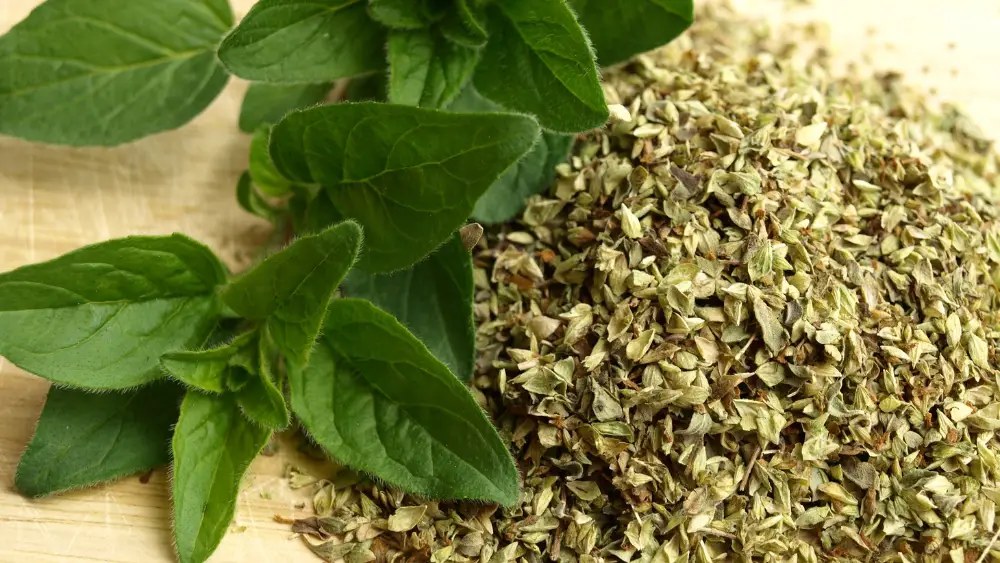
Oregano
Herb
Key compounds: Carvacrol and thymol
Health Benefits
- Provides antimicrobial phytochemicals.
- Supplies antioxidant support.
- Can support digestive balance when used in meals.
Best Preparation
Rub dried leaves between fingers before adding to sauces; add fresh oregano near serving to preserve volatile oils.

Orange
Fruit
Key nutrients: Vitamin C, flavonoids, fiber
Health Benefits
- Supports immune and collagen health.
- Contributes hydration and potassium.
- Provides antioxidants for vascular protection.
Best Preparation
Prefer whole segments over juice to preserve fiber; pair with protein or nuts for steadier energy.

Pomegranate
Fruit
Key compounds: Punicalagins and anthocyanins
Health Benefits
- Provides strong antioxidant and anti-inflammatory support.
- May support blood vessel and heart health.
- Can support exercise recovery in active lifestyles.
Best Preparation
Use fresh seeds over salads and bowls; choose whole seeds over sweetened juices for better fiber and satiety.
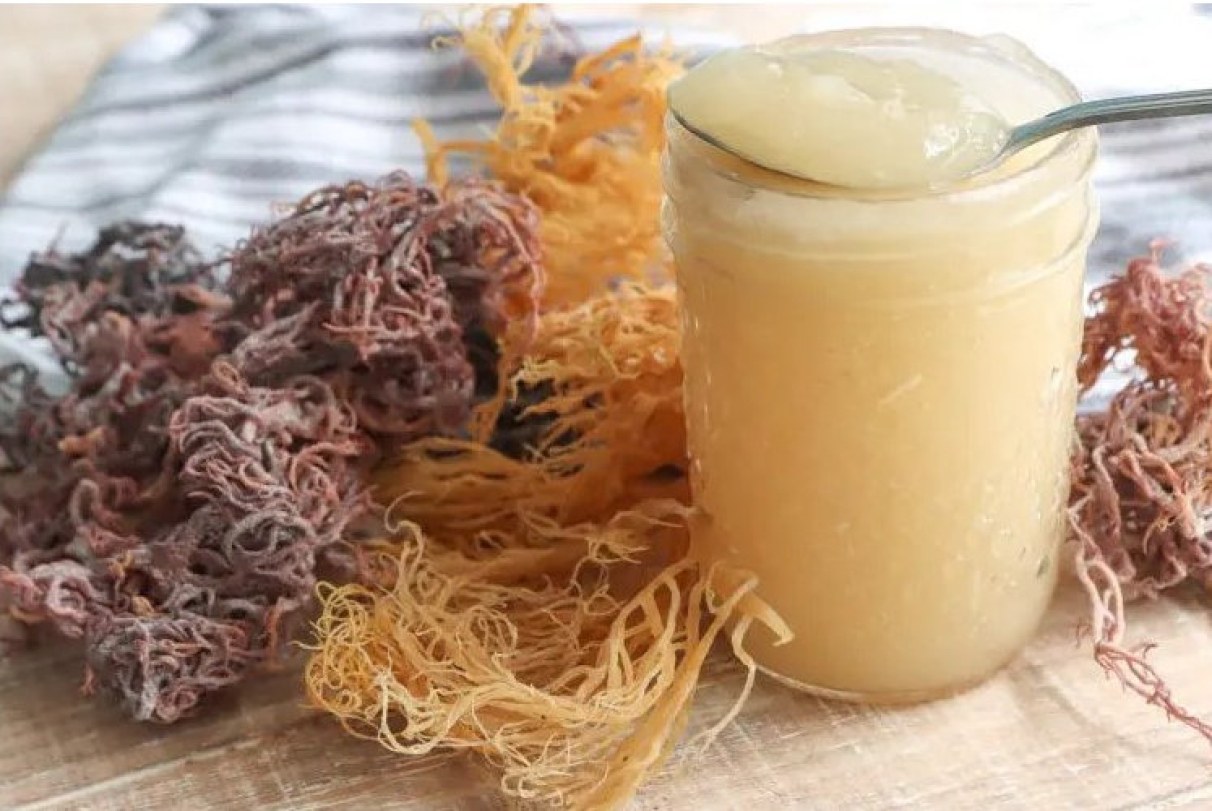
Sea Moss
Sea Plant
Key nutrients: Iodine, potassium, magnesium, soluble fiber
Health Benefits
- Supports thyroid function through natural iodine content.
- Provides minerals that support hydration and metabolism.
- Contains soothing soluble fiber for gut support.
Best Preparation
Rinse thoroughly, soak, then blend into a gel and use small portions in smoothies, soups, or porridge.
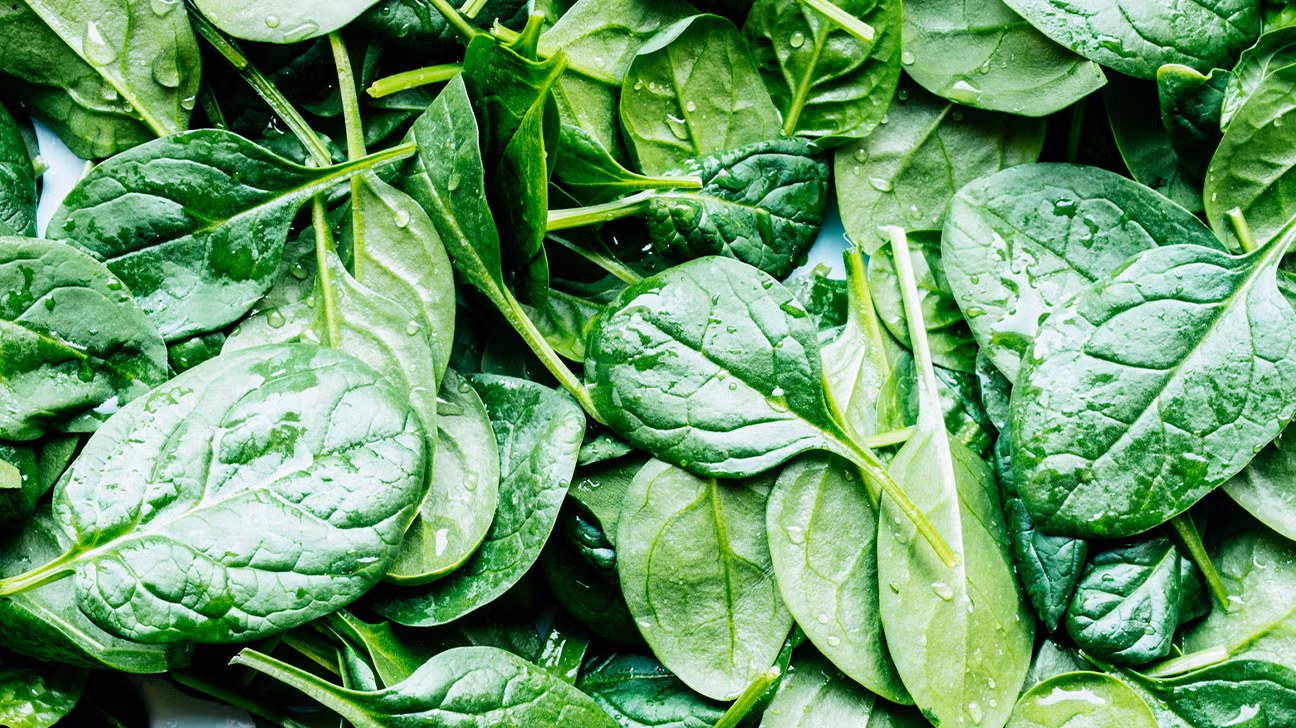
Spinach
Vegetable
Key nutrients: Folate, vitamin K, magnesium, lutein
Health Benefits
- Nutrient-dense support for eyes and immune function.
- Provides antioxidant compounds and minerals.
- Supports red blood cell and bone health.
Best Preparation
Use raw in salads or lightly steam/saute to reduce volume and improve mineral availability; avoid overcooking.
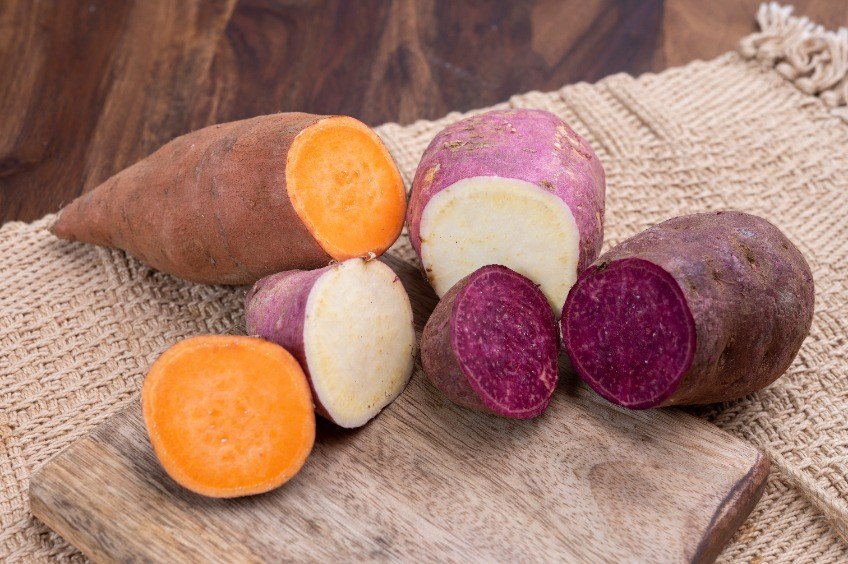
Sweet Potato
Vegetable
Key nutrients: Beta-carotene, vitamin C, potassium, fiber
Health Benefits
- Supports immune and eye health.
- Provides steady carbohydrate energy with fiber.
- Supports gut health and satiety.
Best Preparation
Bake or steam with skin on when possible; add herbs, olive oil, and pepper instead of heavy sugary toppings.
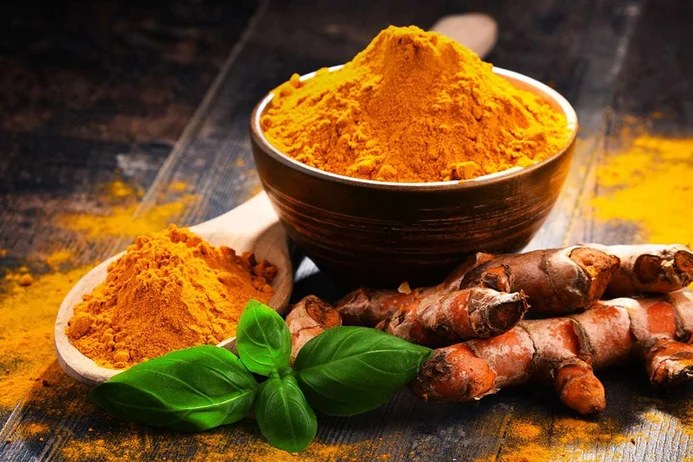
Turmeric
Spice
Active compounds: Curcumin and related curcuminoids
Health Benefits
- Supports a healthy inflammatory response.
- Provides antioxidant support for cells and tissues.
- May support joint comfort when used consistently.
Best Preparation
Bloom gently in warm olive oil for 20-30 seconds, then combine with black pepper and a small amount of healthy fat for improved absorption.
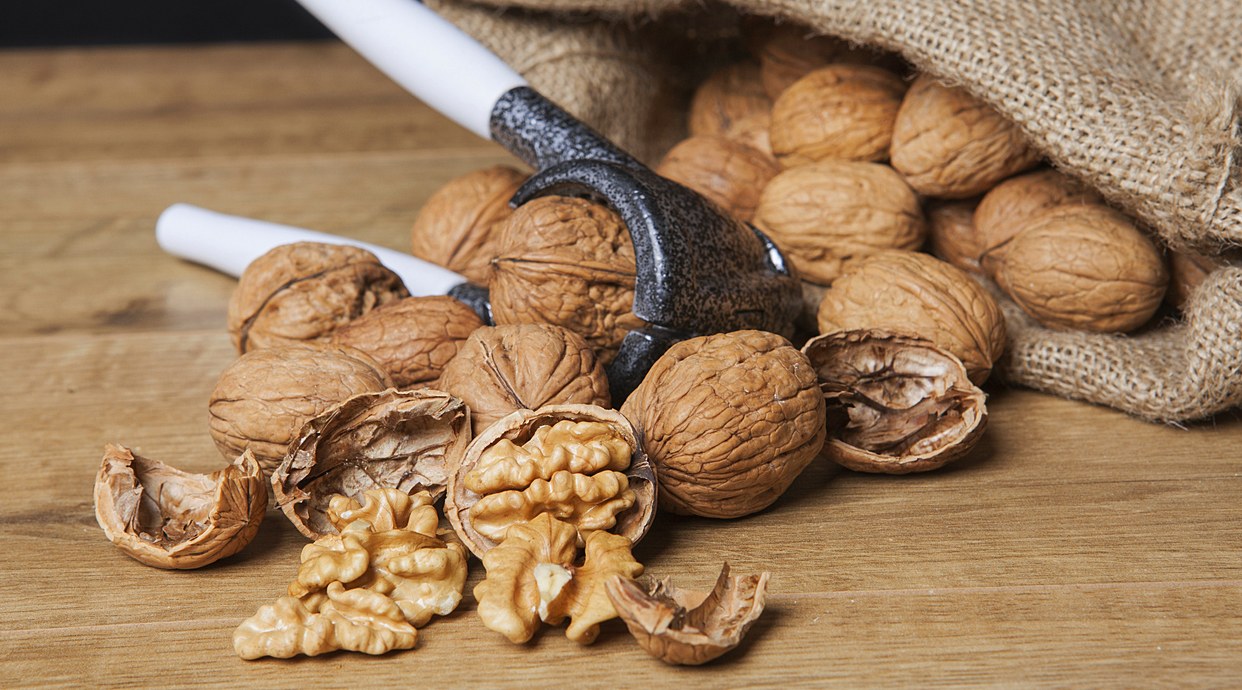
Walnuts
Nut
Key nutrients: Omega-3 ALA, polyphenols, magnesium
Health Benefits
- Supports cardiovascular and brain health.
- Provides anti-inflammatory fats.
- Helps improve meal satiety and nutrient density.
Best Preparation
Use raw or lightly toasted; store in a cool place to protect delicate fats from oxidation.
Note: This library gives food-first wellness guidance and is for education only, not medical diagnosis or treatment. If you are on medication or have a condition, check with your clinician before major dietary changes.